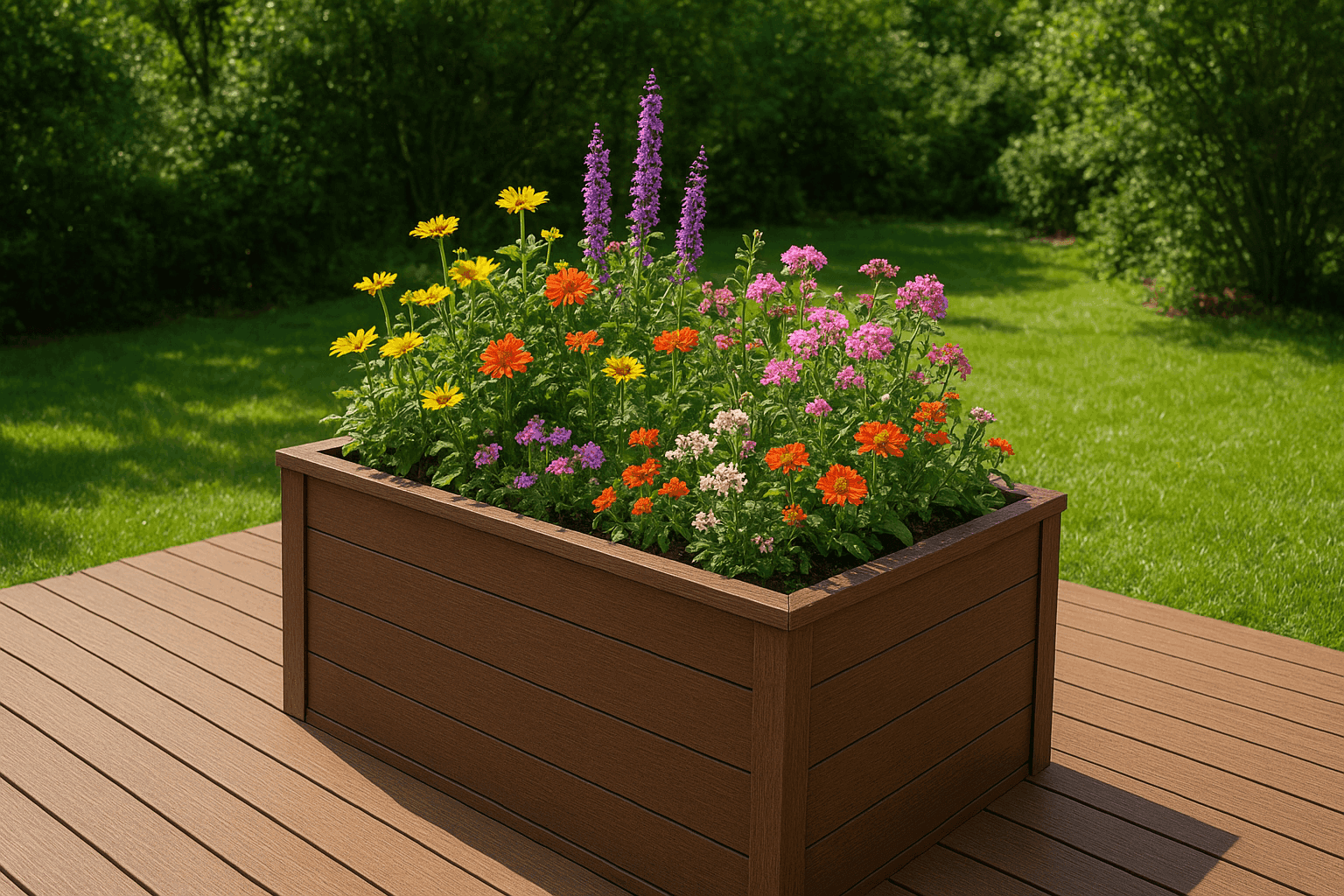
The Secret to Better Gardening: Benefits and Uses of Raised Garden Bed
30th December, 2025📌With the rise of urban greenery and home gardening, raised garden beds have become an essential element in landscape design and gardening practice. This article explores the benefits, key design considerations, and how to choose high‑quality products — offering valuable insights for your projects and clients.
1. What Is a Raised Garden Bed
A raised garden bed is an elevated planting structure built above ground level using a sturdy frame and quality soil, designed for growing vegetables, flowers, herbs, and more. Its elevated design helps control growing conditions and avoids limitations of native soil like poor drainage and pests.
2. Key Benefits of Raised Garden Beds
2.1 Weather Resistance and Durability
High‑quality raised garden beds made from durable materials (e.g., WPC wood‑plastic composite like NatureTough) are weather‑resistant, waterproof, anti‑corrosion, and scratch‑resistant, allowing long‑term outdoor use with minimal maintenance.
2.2 Improved Soil and Plant Growth Conditions
Raised garden beds allow custom soil mixes that improve drainage and aeration, creating a healthier environment for plant roots.
2.3 Increased Accessibility and Ease of Operation
The elevated height makes gardening tasks easier, reducing bending and kneeling — ideal for elderly or mobility‑limited users. Modular designs also allow quick assembly and scalable configurations.
2.4 Reduced Pests and Weeds Interference
The design helps isolate soil from potential diseases, weeds, and underground pests, and with smart layout planning, you can enhance overall garden yield.
3. How to Choose a Quality Raised Garden Bed
- Material Durability: Choose corrosion‑resistant, waterproof, UV‑stable materials.
- Assembly Ease: Modular, tool‑free installation is preferred.
- Eco‑Friendly: Opt for recyclable, non‑toxic materials.
- Size Variants: Provide different dimensions to fit commercial and residential spaces.
❓ FAQ
Q1. What plants are suitable for raised garden beds?
From vegetables and herbs to ornamental plants, most crops can thrive in raised beds with appropriate soil and light.
Q2. Do raised beds really reduce pests?
Yes — elevating the plants reduces interference from ground‑dwelling pests, and additional covers can enhance protection.
Q3. What materials are commonly used for raised garden beds?
Common materials include wood, metal, and WPC wood‑plastic composites, with WPC offering durability and aesthetics.