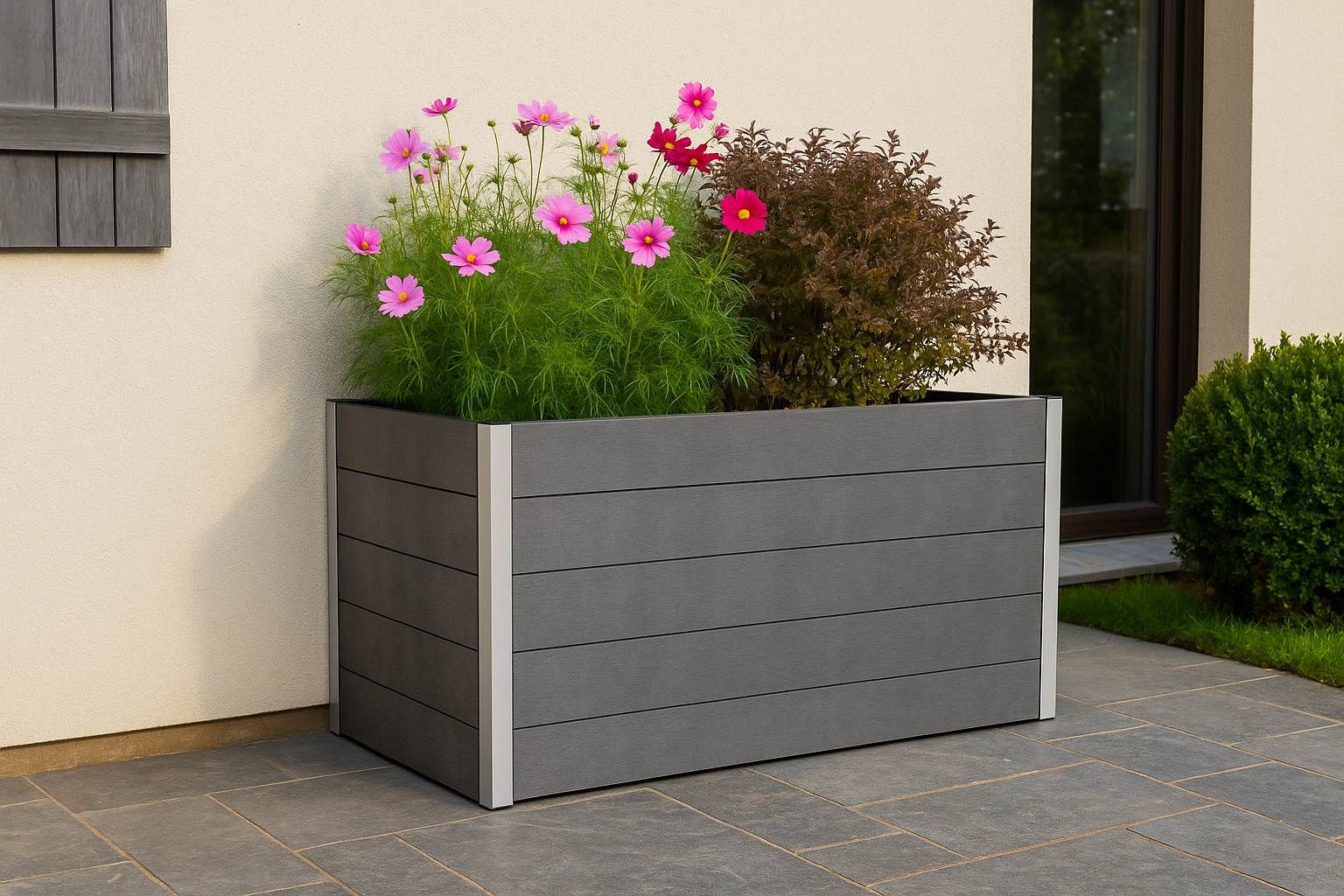
Raised Garden Beds: The Ideal Solution for Optimizing Space and Enhancing Green Quality
10th November, 2025As urbanization accelerates, the limited availability of green space makes raised garden beds a preferred solution for many building projects and landscape designs. Raised garden beds are ideal for both residential and commercial spaces, providing functional and aesthetic benefits. Here’s why they are an excellent choice:
1. Optimized Soil Environment and Drainage
The elevated design keeps the soil separate from the ground, preventing waterlogging and soil compaction. With high-quality soil and a well-designed drainage system, plants enjoy better aeration and drainage, promoting healthier root growth. This makes raised garden beds particularly suitable for areas with poor soil or drainage, such as rooftop gardens and balcony plantings.
2. Simplified Installation and Maintenance
Raised garden beds are easy to install without the need for large-scale excavation or soil remediation, saving both construction time and costs. They are also easy to maintain, with the added benefit of reducing bending during gardening tasks, making weeding and care much more manageable.
3. Adaptability to Various Environments and Spaces
Raised garden beds are not only great for traditional ground planting, but also perfect for small or confined spaces like rooftops, balconies, and urban commercial areas. They are an ideal solution for maximizing land use in limited spaces.
4. Enhanced Aesthetic and Commercial Value
With a wide range of materials and designs available, raised garden beds can be customized to match the overall style of the project. Whether it’s wood, metal, or composite materials, they help improve the visual appeal of the space and can serve as a landscape feature. Raised garden beds are particularly valuable for commercial landscaping, public spaces, and community green projects, adding commercial value to the property.
Specification Advice
- Define the application scenario: Choose the appropriate height and material based on the environment (rooftop, terrace, commercial area, etc.).
- Focus on materials and drainage design: Opt for durable, corrosion-resistant materials and ensure a good drainage system to prevent waterlogging and root issues.
- Harmonize with landscape design: Select raised garden beds that complement the overall design of the project to enhance the visual appeal of the space.
FAQ
Q: What types of projects are raised garden beds suitable for?
A: Raised garden beds are ideal for rooftop gardens, balcony planting, commercial landscaping, public spaces, and any project that requires efficient space utilization and enhanced green quality.
Q: Is installing a raised garden bed complicated?
A: Raised garden beds are easy to install, and their systematic design saves time and labor, making them ideal for quick implementation.
Q: How do I choose the right raised garden bed?
A: Choose the right height, material, and design based on the size of the space, soil conditions, and aesthetic preferences. Pay attention to the drainage system, material durability, and overall design.