
Is WPC Decking More Durable Than Solid Wood?
13th February, 2026Short Answer
Yes. In most outdoor environments, WPC decking (wood-plastic composite decking) is generally more durable than solid wood decking because it is engineered to resist moisture, insects, rot, and weather-related damage.
However, the best choice depends on climate conditions, maintenance expectations, and project requirements.
Understanding the Materials
What Is WPC Decking?
WPC decking is a composite material made from wood fibers and recycled plastic. It is specifically designed for outdoor use, combining the appearance of natural wood with improved structural stability and moisture resistance.
What Is Solid Wood Decking?
Solid wood decking is made from natural timber such as pine, cedar, or hardwood species. While it offers a traditional look and authentic texture, its performance outdoors depends heavily on treatment and maintenance.
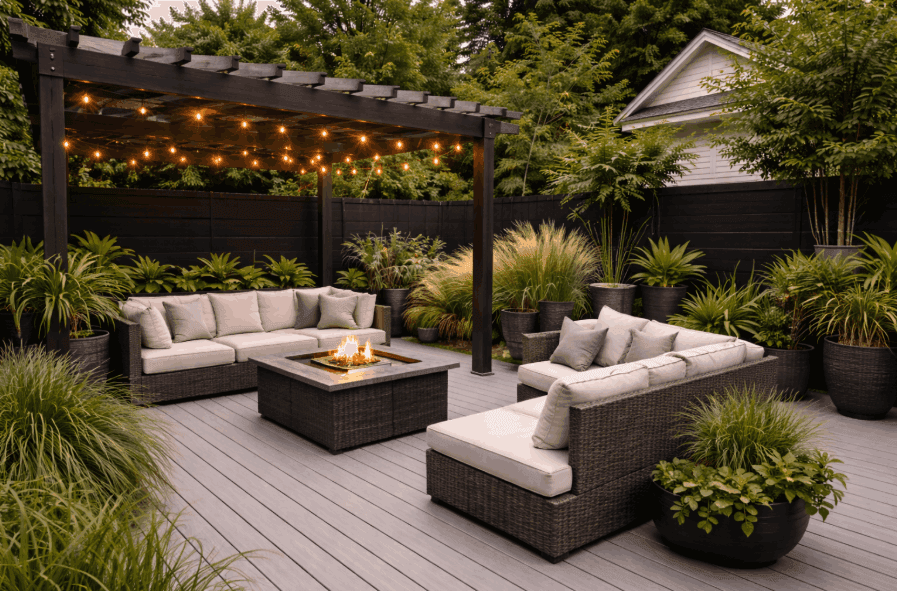
Durability Comparison: WPC vs Solid Wood
Resistance to Moisture
Moisture is one of the primary causes of decking failure.
- WPC decking is engineered to reduce water absorption, minimizing swelling and deformation.
- Solid wood decking naturally absorbs moisture, which can lead to warping, cracking, and rot over time.
In humid, rainy, or coastal environments, WPC decking typically maintains structural integrity longer.
Resistance to Rot and Insects
- WPC decking is not a natural food source for termites and is less susceptible to biological decay.
- Solid wood, unless pressure-treated, can be vulnerable to termites, mold, and fungal growth.
This makes composite decking a practical option in regions with high insect activity.
Weather and UV Exposure
Outdoor decking materials are constantly exposed to sunlight and temperature fluctuations.
- WPC decking is manufactured to withstand UV exposure and seasonal expansion.
- Solid wood may fade, split, or develop surface cracks under prolonged sun exposure.
While both materials can experience surface wear, WPC decking generally shows slower structural degradation.
Maintenance Requirements
Durability is closely linked to maintenance.
- WPC decking typically requires only periodic cleaning.
- Solid wood decking requires sealing, staining, or painting to maintain resistance against moisture and UV damage.
Without regular maintenance, solid wood durability can decline significantly.
Expected Lifespan
Although lifespan varies depending on quality and installation:
- Solid wood decking: typically 5–15 years, depending on species and maintenance level.
- WPC decking: often 15–25+ years in standard outdoor conditions.
Proper installation and drainage are essential for both materials.
When Solid Wood May Still Be Preferred
Despite durability advantages, solid wood may be chosen for:
- Traditional architectural aesthetics
- Natural grain authenticity
- Lower upfront material cost
- Projects where regular maintenance is acceptable
Conclusion
In terms of long-term outdoor durability, WPC decking is generally more resistant to moisture, insects, and weather exposure than solid wood decking. For projects prioritizing low maintenance and extended service life, composite decking is often the more stable choice.
However, the final decision should consider climate conditions, budget, and design preference.