Is Composite Fencing Worth It? Cost, Durability, and Maintenance
17th December, 2025Composite fencing has become an increasingly popular alternative to traditional wood and vinyl fencing for residential and commercial outdoor spaces. But is composite fencing truly worth the investment? This article examines cost, durability, and maintenance to help homeowners, contractors, and designers make an informed decision.
What Is Composite Fencing?
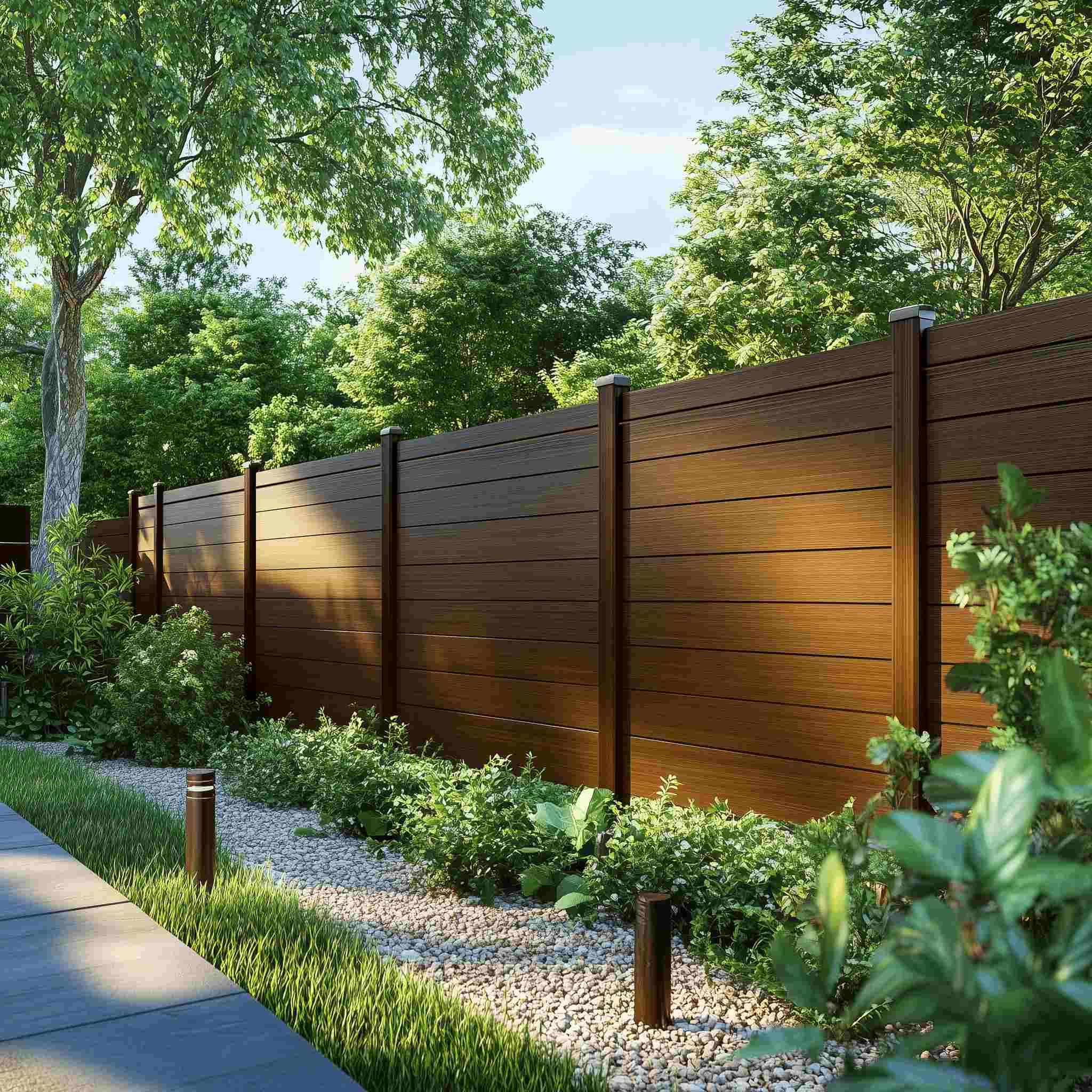
Composite fencing is typically made from wood-plastic composite (WPC) materials, which combine recycled plastics with reclaimed wood fibers. This blend delivers the natural appearance of wood while improving performance through enhanced resistance to moisture, insects, and weathering.
Unlike traditional timber fences, composite fencing is engineered for long-term outdoor use with minimal upkeep, making it particularly suitable for modern, sustainability-focused projects.
Composite Fencing Cost: What Should You Expect?
Initial Cost vs. Long-Term Value
Composite fencing generally has a higher upfront cost than pressure-treated wood fencing but is often comparable to or slightly higher than premium vinyl fencing.
Key cost factors include:
- Material quality and composition
- Fence height and panel thickness
- Installation method (DIY vs. professional)
- Additional components such as posts, rails, and gates
While the initial investment may seem higher, composite fencing often proves more cost-effective over time due to reduced maintenance and longer service life.
Lifetime Cost Comparison
Over a 20–25 year period, composite fencing typically requires:
- No repainting or staining
- No chemical treatments
- Minimal repair or replacement
When factoring in maintenance savings, composite fencing frequently delivers lower total ownership cost than traditional wood fencing.
Durability: How Long Does Composite Fencing Last?
Durability is one of the strongest arguments in favor of composite fencing.
Weather and Environmental Resistance
High-quality composite fencing is designed to withstand:
- Moisture and humidity
- UV exposure and color fading
- Temperature fluctuations
- Mold, mildew, and rot
- Termites and other pests
This makes composite fencing ideal for coastal regions, high-humidity climates, and extreme outdoor conditions where wood fences often deteriorate quickly.
Structural Performance
Composite fencing panels are engineered for:
- Consistent density
- Reduced warping or cracking
- Long-term dimensional stability
Many manufacturers offer warranties ranging from 15 to 25 years, reflecting confidence in product longevity.
Maintenance Requirements: How Much Work Is Involved?
Low Maintenance by Design
One of the main advantages of composite fencing is its low maintenance requirement. Unlike wood, composite materials do not require:
- Sanding
- Painting
- Sealing
- Annual inspections for rot or insects
Simple Cleaning Routine
Routine care typically involves:
- Occasional rinsing with water
- Mild soap for surface dirt or debris
This makes composite fencing an attractive option for property owners seeking long-term convenience and predictable upkeep costs.
Final Thoughts
When evaluating fencing options, the true cost extends beyond initial price. Composite fencing delivers value through longevity, reduced maintenance, and environmental benefits, making it a smart choice for long-term outdoor applications.